
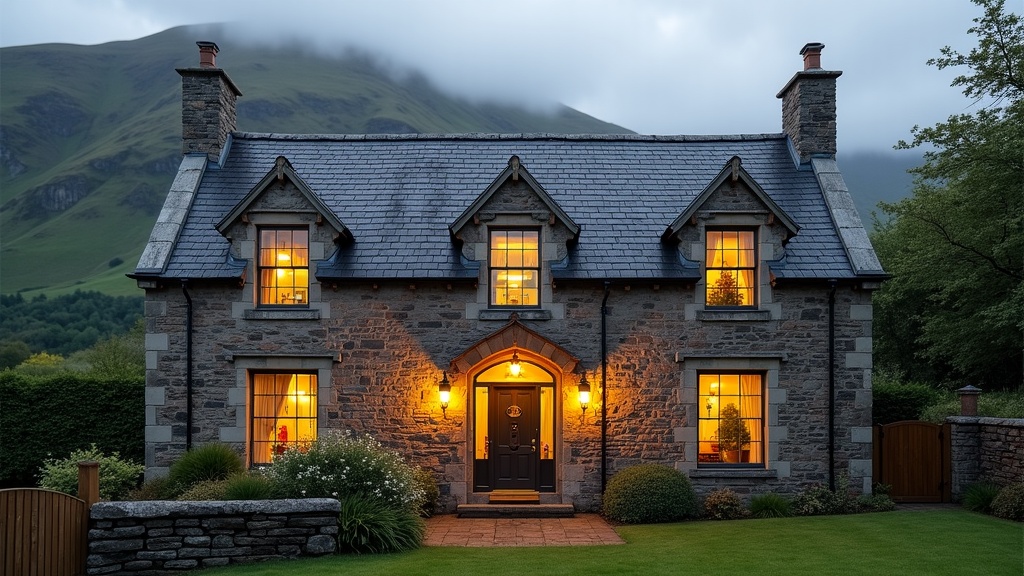
Why Airbnb Lake District demand pricing keeps hosts awake at night
The Lake District is England's most visited national park — and one of the hardest short-term rental markets to price correctly. One week you're fully booked at £150 a night, the next you're sitting empty while your neighbour hosts a hen party at £220. The difference isn't luck. It's understanding how alpine tourist demand works in a market shaped by weather, school holidays, hiking season, and a relentless tide of weekend warriors from Manchester and Newcastle.
If you're running an Airbnb in Windermere, Keswick, Ambleside, or anywhere across Cumbria's fells, you're competing in a premium UK holiday rental market with wild seasonal swings and razor-thin windows to maximise revenue. Miss the peak pricing window by a week? You've left hundreds — sometimes thousands — on the table. Price too aggressively in shoulder season? You'll watch your occupancy plummet while cottages down the road stay full.
This guide unpacks how demand actually moves through the Lake District calendar, what drives pricing power in a mountain destination, and the specific pricing strategies that separate the hosts earning £40k+ annually from those scraping by on summer-only bookings. Whether you're managing a luxury lodge in Grasmere or a budget bolthole in Coniston, here's what you need to know about Airbnb Lake District demand pricing.
What makes Lake District holiday rentals different from other UK markets?
The Lake District operates as a premium alpine tourist market with distinct seasonality, weather dependency, and activity-driven demand that doesn't follow typical coastal or city rental patterns. Unlike seaside towns that peak in July-August or urban markets with year-round business travel, the Lakes blend outdoor adventure tourism, family holidays, romantic escapes, and event-driven surges across a compressed 9-month season.
Here's what sets it apart:
- Weather volatility crushes last-minute bookings. The Lakes average 2,000mm of rain annually in the west (Seathwaite is the UK's wettest inhabited place). Hosts report booking cancellations spike 40-60% during prolonged wet spells, especially for hiking-focused listings. Your pricing needs flex built in.
- School holidays are your revenue anchor. Half-term breaks (February, May, October) and summer holidays (late July-August) see rates jump 30-80% for family-sized properties. Two-bedroom cottages in Bowness regularly hit £180-220/night during these windows vs £90-110 off-peak.
- Weekend uplift is extreme. Friday-Saturday nights command 25-50% premiums over midweek, even outside peak season. A Tuesday in October might fetch £70; Friday the same week pulls £105. Hosts who flatten their pricing leave serious money behind.
- Event-driven demand is unpredictable. Fell races (e.g., Borrowdale), sailing regattas on Windermere, and festivals like Kendal Mountain Festival create localised pricing spikes. Hosts who monitor event calendars and adjust 4-6 weeks ahead capture premium rates while competitors sit at base price.
The Lake District isn't a 'set it and forget it' market. It rewards hosts who understand dynamic pricing principles and can anticipate demand shifts weeks ahead. If you're still using a single nightly rate year-round, you're almost certainly underearning.
When does peak season demand actually hit in the Lake District?
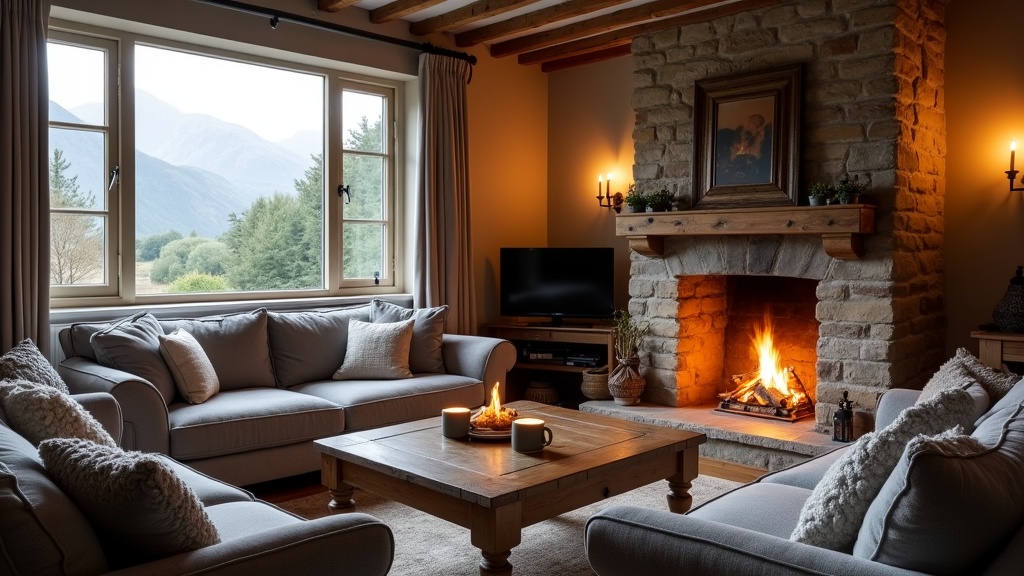
Peak season runs from late March through October half-term, with three distinct revenue windows: Easter (late March-April), summer holidays (late July-August), and autumn half-term (late October). However, 'peak season' is a misleading term — demand ebbs and flows weekly even within these windows, and pricing should reflect micro-seasonality, not broad buckets.
The three revenue peaks every Lake District host should exploit
1. Easter and early spring (late March-May): The first major surge. Lambing season, daffodils at Ullswater, and the first reliable hiking weather draw families and couples. Expect 60-90% occupancy for well-optimised listings. Pricing power is moderate — guests are price-sensitive after Christmas spending. Weekend rates can hit £130-160 for a two-bedroom cottage; midweek sits closer to £85-100.
2. Summer holidays (late July-August): The revenue crown. School's out, weather is warmest (relatively speaking), and families dominate bookings. Occupancy often hits 95%+ for properties sleeping 4-6. This is your window to push rates — £180-250/night is achievable for quality properties near Windermere or Keswick. Minimum stay rules (3-5 nights) are enforceable here. One-bedroom romantic retreats see slightly softer demand; family homes and dog-friendly cottages print money.
3. October half-term: The overlooked goldmine. Autumn colours on the fells, fewer crowds, and a surge of childfree couples and families squeezing in one last break. Occupancy drops to 70-80%, but pricing power remains strong — hosts can hold £120-180/night rates. The weather gamble is real (October is wet), so flexible cancellation policies help maintain bookings.
The forgotten shoulder season opportunity
November-February is written off by lazy hosts, but there's steady demand from:
- Weekend hikers chasing winter fell walks (especially January-February when conditions are crisp)
- Romantic escapes around Valentine's Day and New Year
- Off-season dog owners who can't visit in crowded summer months
Occupancy drops to 40-60%, but hosts who optimise for winter guests (log burners, cosy interiors, wet-weather amenities, flexible check-in) can maintain £60-90/night rates. The key is lowering rates enough to stay competitive without signalling 'desperate' — a 30-40% discount from peak, not 60%.
How should you price a Lake District Airbnb to maximise occupancy and revenue?
Effective Lake District pricing balances three variables: base rate (midweek off-peak), weekend uplift (typically +30-50%), and seasonal multipliers (peak windows at +50-100% over base). The goal isn't highest occupancy or highest rate — it's highest revenue, which usually means accepting 75-85% occupancy at premium rates rather than 95% occupancy at discounted rates.
The Lake District pricing framework that actually works
Step 1: Set your base rate. This is your midweek, off-peak anchor — typically November-March, Tuesday-Thursday. For a well-presented two-bedroom cottage sleeping 4-6, base rates range from £60-90/night depending on location and amenities. Windermere, Ambleside, Keswick command the top end; Coniston, Pooley Bridge, Ulverston sit lower. Your base should cover costs and deliver slim profit — it's your floor, not your target.
Step 2: Apply weekend uplift. Friday-Saturday nights should sit 30-50% above your base rate year-round. This reflects the surge of weekend warriors from Manchester, Leeds, and Newcastle who dominate short breaks. A £75 base becomes £100-110 on Fridays. Hosts who flatten this leave £3,000-5,000 on the table annually.
Step 3: Layer seasonal multipliers. Peak windows (Easter, summer holidays, October half-term) should run 50-100% above base. Your £75 midweek base becomes £110-150+. Bank holiday weekends can stretch another 20-30% on top. Christmas and New Year are wildcard events — some hosts achieve 200%+ premiums if they target that market.
Step 4: Add minimum stays strategically. During summer holidays, enforce 3-5 night minimums to avoid booking churn and cleaning inefficiency. In shoulder season (April-May, September-October), drop to 2-night minimums to capture weekend breaks. Off-peak, accept 1-night stays — revenue is revenue.
Step 5: Monitor and adjust weekly. Check your calendar every Monday. If you're 80%+ booked 4+ weeks out, raise rates 10-15%. If you're under 50% booked 2 weeks out, drop rates 10-20% or offer last-minute discounts. Pricing tools can automate this, but manual tweaks based on local events and weather forecasts often outperform algorithms.
The mistake that kills Lake District revenue
Hosts set a 'fair' rate (say, £120/night) and leave it static for months. This guarantees you're overpriced in low season (losing bookings) and underpriced in peak season (losing revenue). A static £120 rate might deliver 60% occupancy and £26,000 annual revenue. A dynamic strategy with the same property (£70-180 range) delivers 78% occupancy and £38,000+ revenue. The difference is a new car every year.
What amenities drive pricing power in a mountain destination Airbnb?
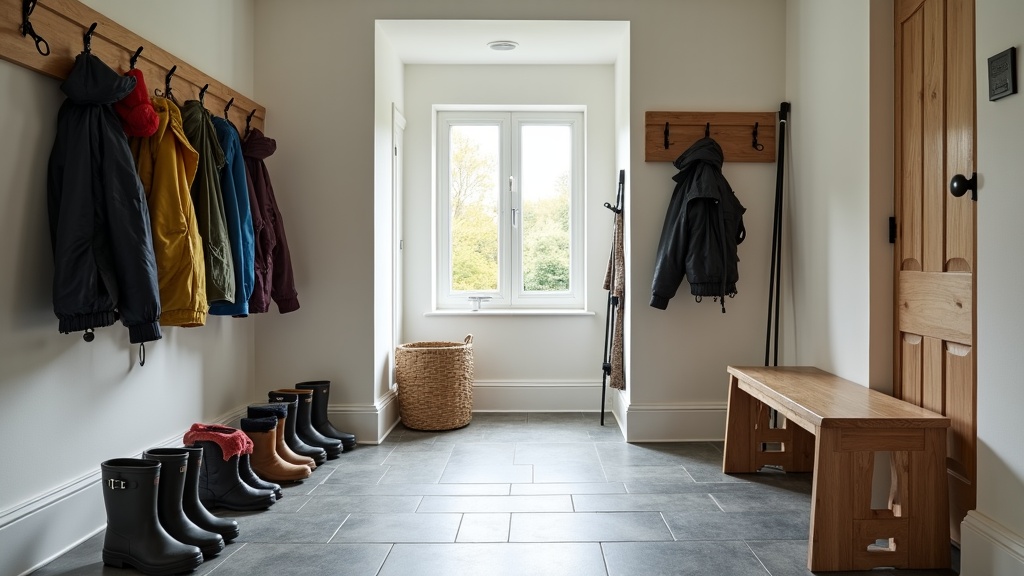
Three amenity categories unlock premium pricing in the Lakes: outdoor/adventure support (boot rooms, drying facilities, bike storage), cosy comfort (log burners, quality bedding, underfloor heating), and dog-friendly features (secure gardens, dog beds, local walk guides). These aren't nice-to-haves — they're the difference between £90/night and £140/night for equivalent properties.
The non-negotiable amenities for Lake District listings
1. Boot room or drying facilities: Hikers return muddy and soaked. A dedicated space with coat hooks, boot trays, and a heated drying rack signals you understand the Lakes. Hosts who add this report 15-25% increases in booking conversion from guests filtering for 'outdoor enthusiast' properties.
2. Log burner or wood-burning stove: The most requested feature in guest reviews. It's not just heat — it's atmosphere. Listings with log burners command 20-35% premiums over equivalent properties with standard heating, especially September-March. A cosy fire photo in your listing gallery is worth its weight in bookings.
3. Dog-friendly setup: 60%+ of Lake District visitors bring dogs. A secure garden, dog beds, bowls, and a folder of local dog-friendly walks transforms your listing from 'allows dogs' to 'welcomes dogs'. Dog owners are loyal, less price-sensitive, and book year-round. Hosts who optimise for dogs report 10-20 percentage point occupancy gains vs non-pet listings.
4. Fast Wi-Fi: Even in the mountains, guests expect connectivity. Remote workers extend weekend breaks into 'workations' if Wi-Fi is reliable (30Mbps+ minimum). List your speed in your description — it's a booking driver.
5. Quality bedding and heating: The Lakes are cold and damp 8 months a year. Invest in thick duvets, memory foam mattresses, and effective heating (underfloor or responsive radiators). Guests forgive a tired kitchen; they'll destroy you in reviews for a cold bedroom.
The premium amenities that justify £150+ rates
If you're targeting luxury or romantic escape markets, these elevate your listing into premium territory:
- Hot tub: Controversial (maintenance, running costs), but high-end listings with hot tubs report 30-50% rate premiums and near-100% peak season occupancy. Only viable if you're positioned as luxury and can absorb the £1,500-2,500 annual running costs.
- Lake or fell views: Not an amenity you can add, but if you have it, showcase it relentlessly. Your hero photo should be the view from the living room window at sunset. View properties command 25-40% premiums over identical properties facing a car park.
- High-quality kitchen equipment: Self-catering is the norm in the Lakes. A well-stocked kitchen (Nespresso machine, quality knives, full spice rack, dishwasher) is mentioned in 40%+ of 5-star reviews. It's a retention and repeat booking driver.
Not sure which amenities your listing is missing? LetGrow's free Airbnb listing score benchmarks your amenities against local competitors and highlights quick wins that boost your pricing power.
How does UK national park pricing compare: Lake District vs Snowdonia, Peak District, and Scottish Highlands?
The Lake District commands the highest average nightly rates among UK national parks (£110-140 for two-bedroom properties in peak season), followed by the Cotswolds (£100-130), Scottish Highlands (£90-120), Peak District (£85-110), and Snowdonia (£80-105). Pricing power correlates with accessibility from major cities, tourism infrastructure, and perceived prestige.
Why the Lake District out-earns other UK mountain destinations
1. Location, location, location: The Lakes sit within 90 minutes of Manchester (2.8m people), 2 hours from Liverpool, Leeds, and Newcastle. That catchment dwarfs Snowdonia's (more remote from English cities) and the Highlands' (4+ hour drives from population centres). Weekend break demand is extreme because it's drivable.
2. Brand recognition: The Lake District is the UK's iconic national park. Wordsworth, Beatrix Potter, and a UNESCO World Heritage designation give it cultural cachet that translates to pricing power. Guests perceive it as a premium destination and accept premium rates.
3. Tourism infrastructure: Windermere has lake cruises, high-end restaurants, spas, and attractions. Keswick has an outdoor gear scene rivalling any European alpine town. Guests can fill a week without repeating activities. Compare that to parts of Snowdonia or the Highlands, where accommodation options and activities thin out quickly.
4. All-season viability: The Lakes' relatively mild winters (compared to Scottish Highlands) mean year-round bookings are feasible. Snowdonia and the Highlands see sharper off-season demand drops.
What Lake District hosts can learn from Cornwall and coastal markets
Interestingly, Cornwall's coastal pricing strategies offer lessons for Lakes hosts. Both are premium UK holiday markets with sharp seasonality and weather dependency. The key difference: Cornwall's peak is tighter (6-8 weeks in July-August), so hosts push rates harder. Lake District hosts can afford more gradual seasonal ramps because demand spreads April-October.
Similarly, Bournemouth's summer market analysis highlights how event-driven pricing spikes work in high-volume tourist towns — a tactic underused by Lakes hosts who don't monitor local festivals and races.
Should you use dynamic pricing tools or manual pricing for Lake District listings?
Dynamic pricing tools (PriceLabs, Wheelhouse, Beyond) can save time and capture 10-20% more revenue than static pricing, but they often miss hyper-local Lake District demand drivers like fell races, weather shifts, and village-level events. The best approach is semi-automated: use a tool for baseline adjustments, but manually tweak around known demand spikes.
When dynamic pricing works well in the Lakes
Tools excel at:
- Weekend uplift automation: They reliably apply 30-50% premiums to Fridays/Saturdays without you lifting a finger.
- Seasonal curve modelling: Algorithms learn your market's annual pattern and adjust rates accordingly.
- Competitor benchmarking: Tools track 20-50 comparable listings and keep you competitively priced (though they can race to the bottom if everyone's using the same tool).
When dynamic pricing fails in the Lakes
Algorithms struggle with:
- Hyper-local events: A tool won't know Kendal Mountain Festival is happening or that a major fell race is filling Borrowdale. You'll miss the 20-40% rate spike unless you manually override.
- Weather dependency: Pricing tools can't predict a week of rain crushing last-minute bookings or a sunny forecast driving a surge. Human judgment wins here.
- Listing-specific positioning: If your cottage is romantic-escape focused, you should resist the tool's urge to drop rates during school holidays when family demand is high (but your niche is low). Context matters.
The hybrid approach: Use a dynamic pricing tool to set your baseline and handle routine adjustments, but review your calendar every Monday and manually tweak around events, weather, and booking velocity. If you're not willing to do that weekly check, a tool is still better than static pricing — but you'll leave some revenue behind.
Want to understand how your pricing compares to local competitors before committing to a tool? Get your free Airbnb performance score from LetGrow — it benchmarks your rates and shows you exactly where you're over or underpricing.
What are the biggest pricing mistakes Lake District hosts make?
The three most expensive pricing mistakes in the Lakes: leaving rates flat across the week (costing £3,000-5,000 annually in missed weekend premiums), failing to raise rates during school holidays (leaving £2,000-4,000 on the table), and panic-discounting too early when bookings are slow (training guests to wait for deals and eroding your rate integrity).
Mistake 1: Treating weekdays and weekends identically
A shocking number of hosts set one nightly rate and forget it. Weekend demand in the Lakes is 40-60% higher than midweek, yet rates often differ by less than 10%. A two-bedroom cottage priced at £100/night Monday-Sunday is leaving £75-100 behind every single weekend. Over a year, that's £3,900-5,200 in lost revenue for literally zero extra effort.
Fix: Set Friday-Saturday rates 30-50% above Tuesday-Thursday. Adjust monthly based on booking velocity. If your weekend dates are filling 6+ weeks out, push rates higher. If they're empty 10 days out, drop slightly — but never below your midweek rate.
Mistake 2: Missing the school holiday pricing window
Easter, May half-term, summer holidays, and October half-term are your four revenue jackpots. Family-sized properties should command 50-100% premiums during these windows. Yet hosts often nudge rates up 10-20% and wonder why they're fully booked but still earning less than the cottage next door.
Here's the reality: if your two-bedroom property sleeps 4-6 and you're charging under £150/night during August school holidays in a decent location (Windermere, Keswick, Ambleside), you're almost certainly underpriced. Premium properties hit £200-250/night and still achieve 95%+ occupancy. The market can bear it — families are spending £1,000-2,000 on a week's holiday. Your accommodation is 30-40% of that budget. They'll pay for quality and location.
Fix: Mark school holiday dates 6-9 months ahead. Raise rates 50-100% over your base. Enforce 3-5 night minimums. Monitor your calendar — if you're fully booked 8+ weeks out, you've underpriced. Adjust for next year.
Mistake 3: Panic-discounting too early
It's three weeks before a weekend date and you're still unbooked. Panic sets in. You drop your rate 30-40% hoping for a last-minute booking. This trains guests to wait for discounts and destroys your rate credibility. Worse, algorithms notice your desperation pricing and assume you're low-quality, pushing you down in search rankings.
Here's the smarter play: hold your rate until 10-14 days out (guests booking that far ahead are planners who won't wait). At 7-10 days, drop 10-15%. At 3-5 days, consider a 20-25% last-minute discount. But never slash rates in half. An empty night costs you nothing except opportunity; a heavily discounted booking trains the wrong guest behaviour and can damage your long-term revenue.
Fix: Build flex into your pricing strategy. If your base rate is £75, your 'distressed inventory' floor should be £55-60, not £40. Set that floor and don't budge. Some nights will go unbooked — that's fine. Your annual revenue will be higher than if you'd discounted aggressively all year.
How can you use event calendars and seasonal trends to price smarter?
Monitoring local event calendars, fell race schedules, and seasonal trends 6-8 weeks ahead allows hosts to apply 20-40% rate premiums during demand spikes that competitors miss entirely. This is manual work, but it's the pricing edge that separates £35k/year listings from £50k+ listings in the same market.
The Lake District events that justify premium pricing
Here are the recurring events and trends every Lakes host should have in their calendar:
- Fell races: Borrowdale Fell Race (August), Langdale Horseshoe (October), and dozens of smaller races fill accommodation near start points. Check Fell Runner Magazine or local running club calendars.
- Regattas and water sports: Windermere hosts should track sailing regattas and open-water swimming events (June-September). These drive localised demand spikes.
- Kendal Mountain Festival (November): A four-day celebration of outdoor culture that packs Kendal and surrounding towns. Hosts within 10 miles can charge 30-50% premiums if they target the outdoor community.
- Christmas markets and winter festivals: November-December sees festive markets in Keswick, Ambleside, and Bowness. Romantic couples and families doing Christmas shopping book short breaks. Don't write off winter entirely.
- Bank holidays: Easter, May Day (early May), Spring Bank Holiday (late May), August Bank Holiday. All justify 25-40% rate lifts.
Pro tip: Join local Facebook groups, follow Visit Cumbria, and subscribe to tourism newsletters for your area. You'll hear about events 8-12 weeks ahead — enough time to adjust your calendar and rates before competitors notice.
Struggling to keep on top of local demand shifts and competitor pricing? LetGrow's free listing score includes competitor analysis that shows you how your rates stack up in real time — so you know when you're leaving money on the table.
What does a realistic Lake District Airbnb revenue forecast look like?
A well-optimised two-bedroom Lake District property in a strong location (Windermere, Keswick, Ambleside) with smart pricing can generate £32,000-48,000 annual revenue at 75-85% occupancy. Budget properties or less desirable locations (Ulverston, Cockermouth, Egremont) sit closer to £18,000-28,000. Luxury properties (hot tubs, stunning views, 3+ bedrooms) in premium villages can exceed £60,000-75,000+.
The revenue reality check
Let's model a realistic two-bedroom cottage in Ambleside, sleeps 4-6, well-presented but not luxury:
- Off-peak (Nov-Mar, ~120 nights available): 50% occupancy at avg £70/night = £4,200
- Shoulder season (Apr-May, Sep-Oct, ~90 nights available): 75% occupancy at avg £110/night = £7,425
- Peak season (Jun-Aug school holidays, ~70 nights available): 90% occupancy at avg £160/night = £10,080
- School holidays and bank holidays (~30 nights scattered): 95% occupancy at avg £180/night = £5,130
- Remaining mid-season dates (~55 nights): 70% occupancy at avg £100/night = £3,850
Total annual revenue: ~£30,685 before cleaning fees. Add £2,000-3,000 in cleaning fees (charged separately), and you're at £32,500-33,500 gross annual revenue.
From that, subtract:
- Mortgage/rent: £8,000-15,000 (varies wildly)
- Airbnb/VRBO fees (3% host fee): ~£1,000
- Cleaning (assuming £60 per turnover, ~120 bookings): £7,200
- Utilities, council tax, insurance: £3,500-5,000
- Maintenance, consumables, linens: £2,000-3,500
Net profit: £8,000-15,000+ depending on your cost structure. If you own outright or have a small mortgage, this is a healthy side income or full-time living. If you're heavily leveraged, margins get tight fast.
How to push revenue higher
To break £40,000+ annually in the same property:
- Optimise your listing: Better photos, SEO-optimised title and description, strategic amenity additions. LetGrow estimates a well-executed audit typically lifts revenue 15-25% within 6 months.
- Perfect your pricing: Aggressive weekend uplift, sharp seasonal adjustments, event-based premiums. This is the fastest revenue lever.
- Increase minimum stays: A 5-night minimum during summer holidays reduces cleaning churn and locks in higher-value bookings.
- Target the right guest: If you're dog-friendly, double down on that market. If you're romantic-escape positioned, stop trying to attract families. Niche clarity boosts conversion and rates.
For more on squeezing every pound from peak season windows, see our guide on premium rates during festival and event season.
Final thoughts: Pricing strategy is your competitive edge in the Lakes
The Lake District is one of the UK's most lucrative short-term rental markets — and one of the most competitive. Your pricing strategy is the single biggest factor determining whether you earn £25,000 or £45,000 from the same property. Static rates, flat weekday/weekend pricing, and ignoring school holidays are leaving thousands on the table every year.
The hosts winning in this market are those who treat pricing as a weekly discipline, not a set-it-and-forget-it task. They monitor competitor rates, track local events, adjust for weather and booking velocity, and aren't afraid to push rates during peak windows. They understand that 80% occupancy at premium rates beats 95% occupancy at discounted rates every single time.
If you're serious about maximising your Lake District Airbnb revenue, start by understanding where you stand. Get your free Airbnb listing score from LetGrow — it'll show you exactly how your pricing, photos, title, and amenities compare to local competitors, and give you a clear action plan to close the gap.
Frequently Asked Questions
What is the average nightly rate for an Airbnb in the Lake District?
Average nightly rates vary by property size and season. A two-bedroom property in peak season (July-August) typically commands £120-180/night in popular areas like Windermere or Keswick, dropping to £60-90/night in off-peak winter months. One-bedroom properties average £80-120 peak, £50-70 off-peak. Luxury properties with hot tubs or exceptional views can exceed £200-300/night year-round.
When is the best time to visit the Lake District for lower Airbnb prices?
November through February offers the lowest rates, typically 40-60% below peak season prices. January-February midweeks are the cheapest windows (avoiding New Year and Valentine's Day). March and late October are shoulder season sweet spots — rates are 20-30% below peak, but weather is often decent and crowds are manageable. Avoid school holidays if you're price-sensitive.
How much can you earn from an Airbnb in the Lake District per year?
A well-optimised two-bedroom property in a strong location can generate £32,000-48,000 gross annual revenue at 75-85% occupancy. Budget properties or less desirable locations earn £18,000-28,000. Luxury homes with 3+ bedrooms, hot tubs, or exceptional views can exceed £60,000-75,000+. Net profit after costs (cleaning, utilities, maintenance, mortgage) typically ranges from £8,000-20,000+ depending on your expense structure.
Should I use dynamic pricing for my Lake District Airbnb?
Yes, but with manual oversight. Dynamic pricing tools reliably automate weekend uplifts and seasonal adjustments, typically increasing revenue 10-20% over static pricing. However, they often miss hyper-local events (fell races, festivals) and weather-driven demand shifts. The best approach is semi-automated: use a tool for baseline adjustments, but manually review and tweak rates weekly based on local events and booking velocity.
What amenities are most important for Lake District holiday rentals?
The top three revenue-driving amenities are: (1) dog-friendly setup with secure garden — 60%+ of visitors bring dogs; (2) log burner or wood-burning stove — commands 20-35% rate premiums and is the most-requested feature; (3) boot room or drying facilities for muddy hiking gear. Fast Wi-Fi, quality bedding, and effective heating are non-negotiable basics. Hot tubs add 30-50% premiums but require significant maintenance investment.
How far in advance should I adjust pricing for Lake District peak season?
Adjust rates for school holidays and bank holidays 6-9 months ahead to capture early-bird family bookings. For local events (fell races, festivals), adjust 6-8 weeks ahead. Monitor booking velocity monthly — if you're 80%+ booked 4+ weeks out, raise rates 10-15%. If you're under 50% booked 2 weeks out, consider modest 10-15% reductions. Weekly pricing reviews are essential during shoulder season (April-May, September-October).