

Why Your Airbnb's Summer Deep-Clean Schedule Can Make or Break August Bookings
Most hosts panic about summer bookings, but the real revenue leak happens between check-outs — in the 72-hour window where dirt, wear, and maintenance backlogs silently downgrade your listing from 'immaculate' to 'fine, I guess'. Summer isn't just peak occupancy season; it's peak wear-and-tear season. More guests mean more sand in carpets, more fingerprints on windows, more limescale in showerheads, and more complaints about 'not as clean as the photos' that tank your ratings before September arrives.
A structured Airbnb maintenance schedule for summer keeps your property guest-ready through rapid turnover, preserves your 5-star cleanliness rating, and prevents the August booking slump that hits hosts who let standards slip. This guide shows you exactly what to clean, when to clean it, and how to build a foolproof system that scales with your occupancy — whether you're managing one cottage in the Cotswolds or three flats in Manchester.
If you're just starting your Airbnb journey in the UK, understanding property maintenance cycles now will save you thousands in replacement costs and lost bookings later.
What Makes Summer Maintenance Different from the Rest of the Year?
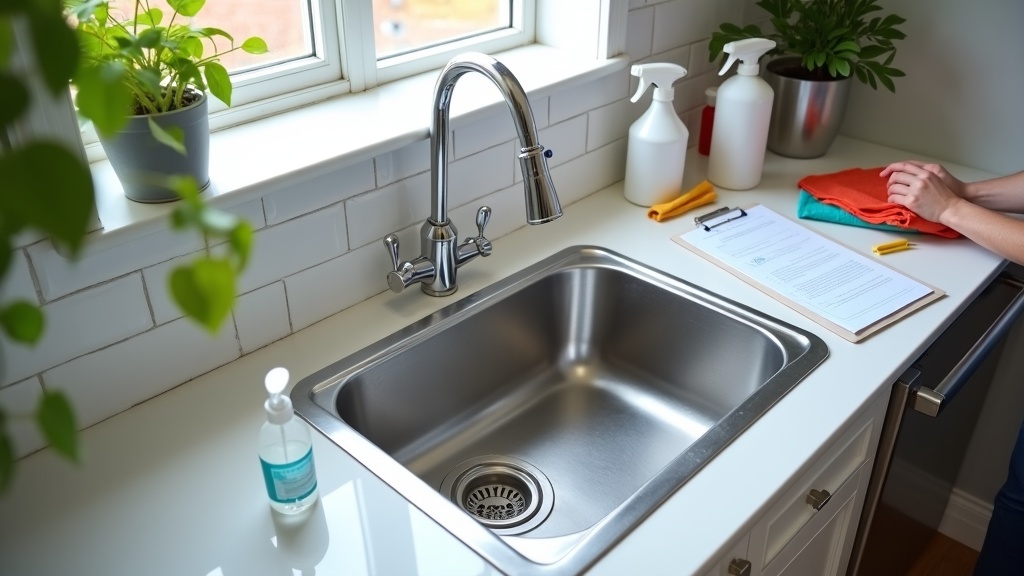
Summer occupancy drives 40-60% of annual revenue for most UK Airbnb hosts, but it also compresses your maintenance windows and amplifies every cleaning miss. During low season, you might have 3-5 days between bookings to deep-clean, repair, and refresh. In July and August, you're often flipping the property in 4-6 hours with same-day or next-day check-ins.
Here's what changes in summer:
- Higher turnover = faster wear. A sofa that seats 8 guests over two months in winter seats 40 guests in two months during summer. Cushions flatten, upholstery stains appear, and fabric deodorisers stop masking odours.
- Heat and humidity accelerate grime. Windows show smudges faster, bins smell stronger, and bathrooms develop mildew in grout lines within days — not weeks.
- Outdoor spaces see heavy use. Garden furniture, BBQs, patios, and balconies go from occasional amenities to headline features. Guests will photograph your outdoor space, and if it's covered in pollen, bird droppings, or last week's cobwebs, your photo reviews suffer.
- Guests expect perfection. Summer rates are 20-40% higher than off-peak. Guests paying £150/night for a seaside cottage in Cornwall have zero tolerance for dusty skirting boards or a shower that drains slowly.
Your Airbnb cleaning protocol needs to evolve from 'between-guest tidy' to 'between-guest deep-clean with built-in maintenance checks'. That's where a scheduled approach — not reactive firefighting — makes the difference.
The 3-Tier Summer Maintenance System: Daily, Weekly, and Monthly Routines
A sustainable summer maintenance schedule has three layers: tasks you do every turnover, tasks you schedule weekly regardless of bookings, and tasks you complete once per month even during peak occupancy. This prevents backlog creep and ensures no area degrades past guest expectations.
Tier 1: Every Turnover (Same-Day Essentials)
These are your non-negotiables. Miss one, and your next review mentions it.
- Vacuum all floors and under furniture. Summer guests track in grass, sand, and pollen. A quick surface vacuum isn't enough — pull out sofas and beds every third turnover to catch the buildup.
- Wipe all hard surfaces with disinfectant. Kitchen counters, bathroom tiles, light switches, door handles, and remote controls. Use a checklist to ensure your cleaner doesn't skip the kettle base or the toilet flush handle.
- Inspect and replace soft furnishings. Check towels, bedding, and sofa throws for stains, tears, or odours. Summer humidity amplifies musty smells in linen — if it smells 'fine' to you, it smells 'off' to a guest.
- Empty and disinfect all bins. In summer heat, bin odours permeate rooms within hours. Line bins with baking soda sachets and replace liners even if they look clean.
- Clean windows and mirrors. Smudges and streaks are 3x more visible in strong summer sunlight. Guests notice fingerprints on patio doors and bathroom mirrors immediately.
- Check outdoor spaces for debris. Sweep patios, wipe down garden furniture, and remove any cobwebs or bird droppings. If you offer a BBQ, scrape the grill and check gas levels.
If you're managing turnovers solo, this list feels overwhelming at high occupancy. Many hosts use the time savings from self check-in systems to extend their cleaning window by an hour or two — a game-changer when you're flipping same-day.
Tier 2: Weekly Deep-Clean Tasks (Prevent Degradation)
These tasks prevent the slow drift from 'spotless' to 'acceptable'. Schedule them for your least-booked weekday (usually Monday or Tuesday) or block one morning per week regardless of occupancy.
- Descale showerheads and taps. Hard water buildup is a top cleanliness complaint in the UK. Soak showerheads in white vinegar for 30 minutes weekly to maintain water pressure and visual shine.
- Deep-clean the kitchen. Pull out the fridge, oven, and dishwasher to clean behind and beneath them. Wipe down cupboard interiors, especially near bins and under sinks where spills accumulate.
- Wash all soft furnishings. Sofa cushion covers, throw blankets, bath mats, and kitchen towels. Even if they look clean, odours build up faster in summer humidity.
- Inspect and restock cleaning supplies. Summer turnover drains supplies fast. Running out of toilet paper, hand soap, or dishwasher tablets mid-booking is an instant 4-star review.
- Check for maintenance issues. Test smoke alarms, inspect door locks, check for dripping taps or loose handles, and confirm all light bulbs work. Fixing a £2 bulb takes 30 seconds; dealing with a review that says 'bedroom light didn't work' costs you bookings for months.
- Clean outdoor areas thoroughly. Pressure-wash patios, scrub outdoor cushions, and treat any mould or algae on fences or walls. If you have outdoor lighting, wipe down fixtures and replace dead bulbs.
Want to ensure nothing slips through the cracks? LetGrow's free listing score identifies common maintenance gaps that hosts miss — including amenities you've listed but aren't maintaining to guest expectations.
Tier 3: Monthly Maintenance Audits (Prevent Long-Term Damage)
Once a month, even in July and August, block out 2-3 hours for a full property audit. This catches issues before they become emergencies and preserves your property's long-term value.
- Inspect all appliances. Run the dishwasher and washing machine on empty hot cycles with descaler. Check seals, filters, and hoses for wear. Test the oven's self-clean function and replace any damaged racks or trays.
- Deep-clean carpets and upholstery. Hire a carpet cleaner or use a steam cleaner to remove embedded dirt, stains, and odours that regular vacuuming misses. This is especially critical for high-traffic areas like hallways and living rooms.
- Check exterior condition. Inspect gutters for blockages (summer storms dump leaves fast), check for cracked roof tiles, and look for signs of damp or mould around windows and doors.
- Audit your inventory. Count cutlery, crockery, glasses, and cookware. Summer guests are more likely to use outdoor spaces and BBQs, where items get lost or broken. Replace missing items before reviews mention 'only 3 forks for a 4-person cottage'.
- Review guest feedback for patterns. If three guests in a row mention the Wi-Fi is slow or the shower pressure is weak, it's a maintenance issue — not a one-off complaint. Action it immediately.
- Photograph your property. Take fresh photos of each room after your monthly deep-clean. This gives you a visual baseline to spot gradual wear (fading paint, sagging furniture) and provides updated images if you need to refresh your listing later.
If you're managing multiple properties, tracking these cycles manually becomes unmanageable. Consider whether your property type (cottage vs flat) affects maintenance frequency — outdoor spaces and gardens demand far more upkeep than a city-centre apartment.
The Summer Deep-Clean Checklist: Room-by-Room Breakdown

Here's your printable, actionable deep-clean checklist for property maintenance between guests during peak summer occupancy. Use this as your baseline, then customise based on your property type and guest profile.
Kitchen Deep-Clean
- Degrease cooker hood, hob, and oven (including door glass)
- Descale kettle and coffee maker
- Wipe down all cupboard fronts and handles
- Clean inside microwave, fridge, and freezer
- Check and clean dishwasher filter
- Wipe down splashback tiles and grout
- Polish sink and taps to remove limescale
- Empty and disinfect bin, check for odours
- Restock essentials: washing-up liquid, dishwasher tablets, bin bags, tea towels
Bathroom Deep-Clean
- Descale shower, taps, and showerhead
- Scrub grout lines with mould-removal spray
- Clean toilet thoroughly (including base and behind)
- Polish mirrors and remove toothpaste splatters
- Wash bath mat and replace if worn
- Check for hair in drains and remove blockages
- Wipe down all surfaces, shelves, and door handles
- Restock toilet paper, hand soap, shampoo, and fresh towels
Bedrooms Deep-Clean
- Strip and wash all bedding (including mattress protectors)
- Vacuum mattress and check for stains or damage
- Dust all surfaces, including picture frames, lampshades, and skirting boards
- Wipe down wardrobes inside and out
- Check under beds for lost items or dust buildup
- Polish mirrors and wipe windows
- Replace any burned-out bulbs
- Check bedside charging points and extension leads (if provided)
Living Areas Deep-Clean
- Vacuum sofas, cushions, and under furniture
- Wipe down all surfaces, including shelves, TV stand, and coffee table
- Clean TV screen and remote control
- Dust lampshades, curtains, and blinds
- Polish windows and clean window sills
- Check for stains on upholstery and treat immediately
- Vacuum or mop floors, including corners and edges
- Refresh any decorative items (wash cushion covers, replace wilted plants)
Outdoor Spaces Deep-Clean
- Sweep and wash patios, decking, or balconies
- Wipe down garden furniture and check for damage
- Clean BBQ grill and check gas levels (if applicable)
- Remove cobwebs from walls, fences, and outdoor lighting
- Trim overgrown plants and remove weeds
- Empty and clean outdoor bins
- Check outdoor lighting works and replace bulbs if needed
- Hose down doormats and outdoor rugs
Many UK hosts overlook outdoor maintenance until a guest mentions it in a review. If you're starting an Airbnb in a competitive market like Birmingham, immaculate outdoor spaces can be the differentiator that wins bookings over nearby listings.
Common Summer Maintenance Mistakes That Cost You Bookings
Mistake 1: Skipping weekly tasks because 'the property looks fine'. Guests don't compare your property to how it looked last week — they compare it to your listing photos. A gradual decline from 'pristine' to 'lived-in' is invisible to you but glaring to a fresh guest.
Mistake 2: Ignoring outdoor spaces until August. By the time you notice your patio furniture is grimy or your garden is overgrown, you've already lost dozens of potential bookings from guests who scrolled past your listing because the outdoor photos looked neglected.
Mistake 3: Reactive maintenance only. Waiting until a guest complains about a dripping tap or a slow-draining shower means at least one guest has already had a subpar experience — and likely left a review reflecting that.
Mistake 4: Underestimating odour buildup. You've become nose-blind to your property. Summer heat amplifies odours from bins, drains, soft furnishings, and kitchens. What smells 'neutral' to you smells 'stale' to a guest walking in on a hot July afternoon.
Mistake 5: Forgetting to communicate maintenance with guests. If you're blocking a morning for deep-cleaning between back-to-back bookings, ensure your check-in time reflects that. Promising 3pm check-in but needing until 4pm to finish cleaning creates instant negative reviews.
Not sure where your listing might be falling short? Get your free Airbnb performance score from LetGrow and see exactly how your cleanliness standards compare to local competitors.
How to Manage Maintenance During Back-to-Back Bookings
Summer occupancy often means same-day turnovers: a 10am check-out followed by a 3pm or 4pm check-in. Here's how to fit deep-clean standards into a compressed timeline without losing bookings or your sanity.
Option 1: Block one midweek day per month. Accept that you'll lose one night's revenue (typically £80-150) to deep-clean, audit, and reset the property to pristine condition. This prevents degradation and protects your long-term review rating, which is worth far more than one night's booking.
Option 2: Extend check-in times strategically. Most guests are flexible if you set expectations early. A 4pm or 5pm check-in (instead of 3pm) buys you an extra 1-2 hours for thorough cleaning without feeling rushed. Communicate this clearly in your guest messaging from booking confirmation onwards.
Option 3: Hire professional cleaners for weekly deep-cleans. Many UK hosts manage daily turnovers themselves but bring in a professional cleaner every 7-10 days for the tasks they don't have time for: carpet shampooing, oven deep-cleaning, window washing. Budget £60-120 per visit depending on property size.
Option 4: Split tasks across turnovers. If you have 4-5 hours between check-out and check-in, dedicate the first 3 hours to standard turnover cleaning and the final hour to one deep-clean task from your weekly list. Rotate tasks so everything gets done over a fortnight without blocking a full day.
Option 5: Preemptive restocking and checks. Keep duplicate sets of bedding, towels, and soft furnishings so you can wash one set while the other is in use. Stock spare bulbs, cleaning supplies, and guest essentials in bulk so you're never scrambling mid-turnover.
When to Schedule Your Summer Deep-Clean (and How to Protect Bookings)
The best time to deep-clean is before peak season starts and once mid-season to reset standards. Here's the optimal schedule for UK Airbnb hosts:
Late May / Early June: Complete a full property deep-clean before the summer rush. This is your chance to fix everything, replace worn items, and photograph the property at its best. If you're planning any maintenance work (repainting, new furniture, appliance servicing), do it now — not in July when you're fully booked.
Mid-July: Block one midweek day (Tuesday or Wednesday) for a maintenance audit and deep-clean reset. This catches wear from the first wave of summer guests and prevents degradation through August.
Late August / Early September: Another full deep-clean before autumn bookings pick up. This is also when you assess what needs replacing before winter and whether any maintenance issues have developed that need professional attention.
If you're worried about losing revenue by blocking dates, remember: one 3-star review mentioning cleanliness can cost you 10-20 future bookings. The £100-150 you 'lose' blocking a midweek night is recovered many times over by maintaining a 4.9+ rating.
What Tools and Supplies You Need for Efficient Summer Maintenance
Invest in the right tools upfront and your cleaning time halves. Here's what professional Airbnb hosts keep on hand for efficient summer property maintenance between guests:
- Cordless vacuum cleaner (£150-250) — makes daily turnovers faster and more thorough
- Steam cleaner (£80-150) — deep-cleans upholstery, carpets, and grout without harsh chemicals
- Descaling products (white vinegar, citric acid, or commercial descalers) — essential in hard-water areas
- Microfibre cloths in bulk — use colour-coded sets (blue for bathrooms, green for kitchens, yellow for general surfaces) to prevent cross-contamination
- Extendable duster — reaches cobwebs, light fittings, and high shelves without a ladder
- Grout brush and mould-removal spray — keeps bathroom tiles and shower enclosures looking new
- Dehumidifier (if your property is prone to dampness) — prevents musty odours and mould growth in humid summer weather
- Spare soft furnishings — duplicate sets of bedding, towels, and throws so you can rotate and wash without delaying turnovers
- Checklist app or printable checklist — ensures you (or your cleaner) never skip a task under time pressure
Many of these purchases pay for themselves within one summer season by reducing cleaning time, preventing damage, and protecting your review rating.
How to Brief Cleaners on Your Summer Maintenance Schedule
If you hire cleaners, your Airbnb cleaning protocol must be crystal-clear, documented, and consistently enforced. Here's how to ensure your cleaner maintains your standards even during peak turnover:
Create a written checklist. Don't rely on verbal instructions. Provide a laminated, room-by-room checklist that lives at the property. Include photos of how each room should look when finished.
Specify cleaning products and methods. Not all cleaners know that hard water requires descaling products, or that microfibre cloths work better than paper towels. Be explicit about what to use where.
Set time expectations realistically. A thorough turnover clean for a 2-bedroom property takes 3-4 hours, not 90 minutes. If you're paying for 2 hours, you'll get 2 hours of work — and corners will be cut.
Inspect their work regularly. Spot-check the property after turnovers, especially in the first few weeks. If you notice recurring issues (dusty skirting boards, streaky mirrors), address them immediately with specific feedback and photos.
Build in accountability. Many hosts ask cleaners to photograph the property after each turnover and send the images via WhatsApp. This creates a visual record and encourages thoroughness.
Pay fairly. UK Airbnb cleaners typically charge £12-18/hour or £40-80 per turnover depending on property size and location. Underpaying results in rushed work and high turnover, which costs you more in lost bookings and retraining time.
Building Your 7-Day Summer Maintenance Action Plan
Here's a simple framework to implement everything in this guide without feeling overwhelmed. Start this week:
Day 1-2: Audit your property from a guest's perspective. Walk through every room, open every cupboard, test every appliance, and photograph anything that looks worn, stained, or broken. Create a prioritised list of fixes.
Day 3: Stock up on cleaning supplies, descalers, spare soft furnishings, and any replacement items (bulbs, batteries, kitchenware). Order everything online to save time.
Day 4: Complete a full deep-clean using the room-by-room checklist above. This is your 'reset to pristine' day. Take fresh photos of each room for your records.
Day 5: Create your three-tier maintenance schedule. Block out weekly deep-clean slots and monthly audit days in your calendar. If you use dynamic pricing software, mark these as 'blocked for maintenance' so you're not tempted to accept bookings.
Day 6: Document your cleaning protocol. Write (or update) your cleaner's checklist, create a supplies inventory, and photograph the 'finished standard' for each room.
Day 7: Review your upcoming bookings and guest communication. Ensure your check-in times are realistic for your turnover schedule, and update your automated guest messages to set clear expectations about cleanliness and maintenance standards.
Want expert feedback on whether your current maintenance standards match guest expectations? LetGrow's free listing audit shows you exactly where your property stands and what to prioritise for maximum booking impact.
Frequently Asked Questions
How often should I deep-clean my Airbnb during summer?
Complete a full deep-clean once every 7-10 days during peak summer occupancy, in addition to thorough turnover cleaning between every guest. Block one midweek day per month for maintenance audits and tasks that can't be completed during standard turnovers. This prevents gradual degradation and protects your cleanliness rating.
What's the most commonly missed area in Airbnb summer cleaning?
Outdoor spaces and high-touch surfaces like remote controls, light switches, and door handles. Summer guests use outdoor areas heavily and expect them to be as clean as indoor spaces. High-touch surfaces accumulate fingerprints and grime faster in summer humidity but are often overlooked in rushed turnovers.
How do I fit deep-cleaning into back-to-back summer bookings?
Extend your check-in time to 4pm or 5pm to allow 5-6 hours for thorough cleaning, block one midweek day per month for deep-clean resets, or hire professional cleaners for weekly deep-clean tasks while you manage daily turnovers. Splitting tasks across multiple turnovers (e.g. one deep-clean task per day) also works for high-occupancy periods.
Should I block dates for maintenance during peak summer season?
Yes — blocking one midweek day per month (typically Tuesday or Wednesday) for maintenance audits and deep-cleaning protects your long-term review rating, which is worth far more than one night's revenue. One 3-star review mentioning cleanliness can cost you 10-20 future bookings, far exceeding the £100-150 you'd earn from that blocked night.
What cleaning supplies are essential for summer Airbnb maintenance?
A cordless vacuum, steam cleaner, descaling products (white vinegar or commercial descalers), microfibre cloths, grout brush, mould-removal spray, and spare soft furnishings (duplicate bedding and towels). These tools reduce cleaning time, improve thoroughness, and prevent damage that leads to expensive replacements.
How do I know if my Airbnb cleanliness standards are good enough?
Monitor your cleanliness rating closely — anything below 4.8 indicates guests are noticing issues. Read reviews from competitors with higher ratings to see what standards guests expect in your area. If you want an objective assessment, LetGrow's free performance score compares your listing to local competitors and identifies specific maintenance gaps affecting bookings.
Conclusion: Maintenance Is Marketing
Your summer deep-clean schedule isn't just about hygiene — it's about protecting the asset that drives your bookings: your review rating. Every skipped task, every 'it looks fine' shortcut, and every reactive fix-after-complaint compounds into a lower rating, fewer bookings, and a race to the bottom on pricing.
The hosts who thrive through summer aren't working harder between turnovers — they're working smarter with systems that prevent degradation before it shows up in reviews. A structured three-tier maintenance schedule (daily essentials, weekly deep-cleans, monthly audits) keeps your property guest-ready through peak occupancy without burning you out or blocking revenue-generating dates.
Start with the 7-day action plan above, customise the room-by-room checklist for your property type, and commit to blocking one midweek day per month for resets. The £100-150 you 'lose' blocking that day will return tenfold through preserved ratings and sustained bookings into autumn.
Ready to see how your listing measures up? Get your free Airbnb performance score at LetGrow and discover exactly what's working, what's costing you bookings, and how to optimise for your best summer season yet.